The show Murder She Wrote was great in its time, but now in 2013 they want to bring it back. I do not agree with this decision. Tell me if you would agree to watch it or would you appose it.
Thursday, November 14, 2013


Tuesday, November 5, 2013
HEATHERS
The movie says it's Sherwood, ohio but let's face it. There are NO palm trees in Sherwood. It's flatter than a man's chest.
Film locations
In Tujunga you'll also find the home of Elliot from E.T.
 Teenage fantasies of revenge on the revolting, snobby
‘Heathers’ and the macho jocks are cranked up to murderous heights when
mean‘n’moody crackpot JD (Christian Slater) moves into the high school of Veronica Sawyer (Winona Ryder).
Teenage fantasies of revenge on the revolting, snobby
‘Heathers’ and the macho jocks are cranked up to murderous heights when
mean‘n’moody crackpot JD (Christian Slater) moves into the high school of Veronica Sawyer (Winona Ryder).
This superb black comedy would have been even blacker had the original ending been kept.
Set in ‘Sherwood, Ohio’, ‘Westerburg High’ is a conflation of several schools, but the main location was the old Corvalis High School, Studio City in the San Fernando Valley. The school closed in 1987, and it's now Osaka Sangyo University of Los Angeles, 3921 Laurel Canyon Boulevard at Maxwellton Road about half a mile from Ventura Boulevard.
The funerals of the victims (“I love my dead, gay son...”) are held at the Church of the Angels, 1100 Avenue 64 in Pasadena. A screen veteran, the church was the site of the wedding of Ashton Kutcher and Brittany Murphy in 2003 comedy Just Married, and has appeared in countless TV shows.
 The gym is Verdugo Hills High School, 10625 Plainview Avenue, Tujunga, seen in many other movies, including The Craft, 187 and River’s Edge.
 The explosive ending takes place on the steps of the auditorium at John Adams Middle School, 2425 16th Street, Santa Monica.
The name ‘Westerburg’ is a nod to Paul Westerburg, lead singer of Winona Ryder’s fave band of the time, The Replacements.
The opening croquet match was filmed in the statue garden of the Huntington Library and Gardens, 1151 Oxford Road, San Marino, east of Pasadena. The house and grounds have been seen in plenty of other movies, including Indecent Proposal, American Wedding, Memoirs of a Geisha and Serenity.
The jocks’ ‘cow pushing’ takes place in a quiet corner of Griffith Park, Los Angeles.
Film locations
Heathers, 1989
Director
Michael LehmannCast
Verdugo Hills High School regularly hosts filming: see it in River’s Edge, with Keanu Reeves, 187 with Samuel L Jackson, The Craft and high school spoof Not Another Teen Movie
In Tujunga you'll also find the home of Elliot from E.T.
Heathers location: ‘Westerburg High’: Osaka Sangyo
University of Los Angeles, Laurel Canyon Boulevard, Studio City, San
Fernando Valley
This superb black comedy would have been even blacker had the original ending been kept.
Set in ‘Sherwood, Ohio’, ‘Westerburg High’ is a conflation of several schools, but the main location was the old Corvalis High School, Studio City in the San Fernando Valley. The school closed in 1987, and it's now Osaka Sangyo University of Los Angeles, 3921 Laurel Canyon Boulevard at Maxwellton Road about half a mile from Ventura Boulevard.
The funerals of the victims (“I love my dead, gay son...”) are held at the Church of the Angels, 1100 Avenue 64 in Pasadena. A screen veteran, the church was the site of the wedding of Ashton Kutcher and Brittany Murphy in 2003 comedy Just Married, and has appeared in countless TV shows.
Heathers location: the funerals: Church of the Angels, 1100 Ave 64, Pasadena
Heathers location: The ending on the steps of
‘Westerburg High’: John Adams Middle School, 16th Street, Santa Monica,
Los Angeles
The name ‘Westerburg’ is a nod to Paul Westerburg, lead singer of Winona Ryder’s fave band of the time, The Replacements.
The opening croquet match was filmed in the statue garden of the Huntington Library and Gardens, 1151 Oxford Road, San Marino, east of Pasadena. The house and grounds have been seen in plenty of other movies, including Indecent Proposal, American Wedding, Memoirs of a Geisha and Serenity.
The jocks’ ‘cow pushing’ takes place in a quiet corner of Griffith Park, Los Angeles.
Saturday, July 6, 2013
Tuesday, September 4, 2012

Monday, July 30, 2012
Systems
Having to wait 12 hrs for someone to hook your game system up for you because you're too lame to know how to do it is TORTURE!
Tuesday, June 19, 2012
Friday, June 15, 2012
Archaeologocal Movies
| Apocalypto | The Body | Lord of the Rings Trilogy | The Mummy trilogy and The Mummy trilogy | Valkyrie | War & Peace |
|
| Casablanca | (1942) | National Treasure | Dominion: Prequel To The Exorcist | El Cid 1961 |
Diciplines of Archaeology
- Assyriology (Mesopotamia)
- Phoeniciology (Phoenicia)
- Classical Archaeology (Greece and Rome)
- Egyptology (Egypt)
- Historical Archaeology (Studies civilizations that left behind written records)
- Prehistoric Archaeology (Studies civilizations that did not have any writing systems)
- Protohistoric Archaeology (Studies civilizations that has limited written records)
- Ethnoarchaeology (Studies of modern societies that resembles extinct ones)
- Taphonomy (Studies how objects decay and degrade over time)
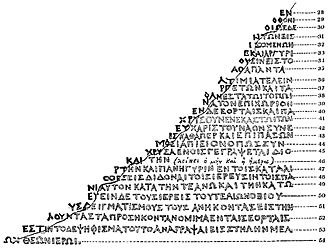
Rosetta Stone 1

The


Hieroglyphics

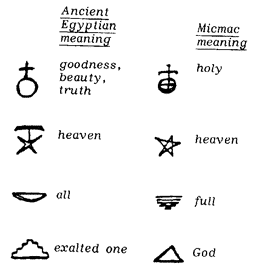

N - Later


How to Read Hieroglyphics
First of all, there are hardly any written vowels. Just like Arabic, which is what we use in modern Egypt, most of the words are written using consonants only. That's why you'll find that ancient Egyptian words and names written using the English alphabet vary in spelling. For example Rameses and Ramsis, Amun and Amen, etc...It's the same with Arabic now, I can spell my name in English in 3 different ways and still not get the sound right!
Now to make things more confusing (just for the fun of it!) - hieroglyphics can be read from left to right, right to left, and from top to bottom; the most common being from left to right.
 But there's a trick to it though, and I think it's quite smart: you just have to see which direction the sign is facing.
This wouldn't work with the water sign for example, so you can check out which way the animal or person signs are looking. So basically if the snake is looking to the right you read from right to left, and vice versa.
Any hieroglyphs inside a cartouche represent a king or pharaoh.
Determinative signs don't have a sound specific to them - they only represent the meaning of the word before them. There are male and female determinative signs that will let you know the gender of the person whose name is written.
Although this script has been dead for many centuries, it's still magical and beautiful. It's the key that unlocked the mystery of ancient Egypt and tells us of so many amazing stories past.
You can get yourself a cartouche with your name written inside in hieroglyphs as a necklace pendant
Enjoy this as I have. More to come.
Saturday, April 14, 2012
27 uses for Baking Soda Pwoder
here are many non-poisonous products that can be used for basic household cleaning. Next to vinegar, the most useful of these is baking soda.
Like vinegar, baking soda has three major things going for it as a cleanser:
 As
its name suggests, baking soda can be used for cooking. It can also be
used medicinally, and, as we will discuss in this article, for cleaning.
As
its name suggests, baking soda can be used for cooking. It can also be
used medicinally, and, as we will discuss in this article, for cleaning.
In the kitchen
The kitchen is the most likely place to find baking soda. Don't stop with using it for baking, though!
1. A box or small bowl of baking soda in the refrigerator, freezer, or any cupboard will keep away unpleasant odors.
2. Similarly, baking soda will keep away garbage odors; sprinkle the bottom of the pail, and then sprinkle again after you put a new bag in.
3. Grease fires can be put out by sprinkling them with baking soda.
4. To clean surfaces, sprinkle baking soda on a damp cloth. Wipe, then rinse with clean water.
5. To remove stale smells from food containers, rinse out with hot water and baking soda. If the smell persists, let the container soak overnight in the baking soda and water mixture.
6. To clean silver, use a paste of 3 parts baking soda to one part water. Rub the paste onto each item, then rinse with warm water and dry with a soft cloth.
7. To remove scuff marks or grease spills from the floor, sprinkle with baking soda and then wipe with a warm, damp cloth. This is even safe for no-wax floors!
8. For burnt-on food in the bottom of pots, sprinkle with baking soda, then add hot water. Let soak overnight; the dried on food will come loose much more easily.
In the Bathroom
9.To remove stubborn stains from most surfaces, use a baking soda paste (3 parts baking soda, one part water). Apply, let stand, then scrub or wipe clean.
10. Hairbrushes and combs can be cleaned in a baking soda solution.
11. To avoid clogged drains, pour 1/4 cup baking soda down weekly. Rinse through with hot water.
All Around the House
12. To remove scents from a carpet, sprinkle with baking soda. Let stand for at least fifteen minutes, then vacuum. Repeat as needed.
13. If there is a smoker in the house, put baking soda in the bottom of each ashtray to keep away some of the stale smoke smell.
14. Baking soda in the litterbox will help prevent odors.
15. To quickly clean pets and remove "wet dog" odor, sprinkle with baking soda and brush out their fur.
16. To help remove spills, blot as much as possible. Then clean as you normally would. When finished, sprinkle with baking soda. Vacuum. This will decrease the chance that some of the spilled item will remain in the carpet and cause unpleasant odors later.
17. Children's toys can be cleaned using 1/4 cup baking soda in 1 quart warm water. Submerge in this mixture (or wipe with a cloth dampened in it), then rinse with clear water.
In the Laundry

18. Replace half of each measure of laundry detergent with baking soda to keep clothing fresh.
19. To remove grease stains, either add baking soda to the wash load or pretreat the stains with a baking soda paste.
20. Pretreat diapers in their pail with baking soda. This will keep odors from becoming overpowering between washings.
21. Baking soda increases the effectiveness of chlorine bleach. Add 1 / 2 cup to your laundry, along with the usual amount of bleach.
22. If you keep a laundry hamper, add some baking soda every day to keep the hamper from smelling between emptyings.
Outside the House (Yard and Garage)
23. Baking soda can be used to help clean up grease spills.
24. To remove burnt food from the grill, sprinkle with baking soda, then soak. After several hours, the charred pieces will come loose easily.
25. Lawn furniture can be easily cleaned with a rinse of 1/4 cup baking soda in 1 quart warm water.
26. The children's pool can be cleaned and have mildew removed by washing with baking soda in warm water.
27. Before packing away your camping gear after a trip, sprinkle with baking soda.
If you really get into using baking soda for cleaning, consider buying it in bulk; see if you can join a co-op or if your local natural foods or bulk store can order it for you. After all, it doesn't spoil, and the uses for baking soda are nearly endless!
BIB
NH
Like vinegar, baking soda has three major things going for it as a cleanser:
- It's non-toxic. Sure, eaten in large amounts it might make you feel unpleasant, but it's not poisonous.
- It's multi-purpose. The suggestions in this article are only a few of the many ways that baking soda can be used as a household cleanser.
- Best of all, it's CHEAP! The cost of baking soda (especially when purchased in several pound large boxes) is far less than that of any other, specialized cleaning agent.
As
its name suggests, baking soda can be used for cooking. It can also be
used medicinally, and, as we will discuss in this article, for cleaning.In the kitchen
The kitchen is the most likely place to find baking soda. Don't stop with using it for baking, though!
1. A box or small bowl of baking soda in the refrigerator, freezer, or any cupboard will keep away unpleasant odors.
2. Similarly, baking soda will keep away garbage odors; sprinkle the bottom of the pail, and then sprinkle again after you put a new bag in.
3. Grease fires can be put out by sprinkling them with baking soda.
4. To clean surfaces, sprinkle baking soda on a damp cloth. Wipe, then rinse with clean water.
5. To remove stale smells from food containers, rinse out with hot water and baking soda. If the smell persists, let the container soak overnight in the baking soda and water mixture.
6. To clean silver, use a paste of 3 parts baking soda to one part water. Rub the paste onto each item, then rinse with warm water and dry with a soft cloth.
7. To remove scuff marks or grease spills from the floor, sprinkle with baking soda and then wipe with a warm, damp cloth. This is even safe for no-wax floors!
8. For burnt-on food in the bottom of pots, sprinkle with baking soda, then add hot water. Let soak overnight; the dried on food will come loose much more easily.
In the Bathroom
9.To remove stubborn stains from most surfaces, use a baking soda paste (3 parts baking soda, one part water). Apply, let stand, then scrub or wipe clean.
10. Hairbrushes and combs can be cleaned in a baking soda solution.
11. To avoid clogged drains, pour 1/4 cup baking soda down weekly. Rinse through with hot water.
All Around the House
12. To remove scents from a carpet, sprinkle with baking soda. Let stand for at least fifteen minutes, then vacuum. Repeat as needed.
13. If there is a smoker in the house, put baking soda in the bottom of each ashtray to keep away some of the stale smoke smell.
14. Baking soda in the litterbox will help prevent odors.
15. To quickly clean pets and remove "wet dog" odor, sprinkle with baking soda and brush out their fur.
16. To help remove spills, blot as much as possible. Then clean as you normally would. When finished, sprinkle with baking soda. Vacuum. This will decrease the chance that some of the spilled item will remain in the carpet and cause unpleasant odors later.
17. Children's toys can be cleaned using 1/4 cup baking soda in 1 quart warm water. Submerge in this mixture (or wipe with a cloth dampened in it), then rinse with clear water.
In the Laundry
18. Replace half of each measure of laundry detergent with baking soda to keep clothing fresh.
19. To remove grease stains, either add baking soda to the wash load or pretreat the stains with a baking soda paste.
20. Pretreat diapers in their pail with baking soda. This will keep odors from becoming overpowering between washings.
21. Baking soda increases the effectiveness of chlorine bleach. Add 1 / 2 cup to your laundry, along with the usual amount of bleach.
22. If you keep a laundry hamper, add some baking soda every day to keep the hamper from smelling between emptyings.
Outside the House (Yard and Garage)
23. Baking soda can be used to help clean up grease spills.
24. To remove burnt food from the grill, sprinkle with baking soda, then soak. After several hours, the charred pieces will come loose easily.
25. Lawn furniture can be easily cleaned with a rinse of 1/4 cup baking soda in 1 quart warm water.
26. The children's pool can be cleaned and have mildew removed by washing with baking soda in warm water.
27. Before packing away your camping gear after a trip, sprinkle with baking soda.
If you really get into using baking soda for cleaning, consider buying it in bulk; see if you can join a co-op or if your local natural foods or bulk store can order it for you. After all, it doesn't spoil, and the uses for baking soda are nearly endless!
BIB
NH
Wednesday, April 4, 2012
Gerber Heritage
Nestlé and Gerber have long, rich histories of supporting the healthy growth and development of infants and toddlers.
In 1867 a pharmacist named Henri Nestlé was asked to look in on a neighbor’s child who couldn’t breastfeed. The baby thrived on the special mixture Henri created. Soon Nestlé’s innovation—the world’s first infant food—was being sold throughout Europe, and the first infant food company, Farine Lactée Henri Nestlé, was launched.Gerber Products Company also began with attention to one baby. Following the advice of their pediatrician in the summer of 1927, Daniel and Dorothy Gerber started straining solid foods in their kitchen for their 7-month-old daughter Sally. Eventually, Daniel and Dorothy decided to strain fruits and vegetables at their canning business, based in Fremont, Michigan. Workers in the plant requested samples for their own babies, and the legacy of GERBER® baby foods began.
Committed to healthy babies from the beginning
Our company timeline shows our innovation in nutrition, safety, quality, and health, and illustrates our commitment to providing the best products for your child:Gerber Timeline

2009
Releases the findings from the Feeding Infants and Toddlers Study (FITS) 2008, a follow-up study from FITS 2002. FITS 2008 evaluated the eating patterns and nutrient intakes of 3,378 children—from newborns to 4-year-olds.Getting Some Answers
Nestlé and Gerber have committed to improving baby and child nutrition through innovation, backed by solid research. One of the most notable efforts was the Gerber-sponsored Feeding Infants and Toddlers Study (FITS) conducted in 2002. This dietary survey of approximately 3,000 infants and toddlers 4 to 24 months old—the first undertaking of its size—significantly increased the knowledge and understanding of how young children were really eating.The results of the FITS study brought to light some key issues—notably that many toddlers failed to get adequate amounts of several important nutrients, including vitamin E, calcium, iron, potassium, and dietary fiber. In addition, it revealed that many toddlers weren’t eating a single fruit or vegetable serving on a given day.
Nestlé conducted a follow-up FITS study in 2008 of 3,378 children, expanding the age range for infants and toddlers from birth to 48 months. Compared with 2002, the 2008 study showed that infants are being breastfed longer and fewer children are consuming sweets and sweetened beverages on a given day. However, there’s still room for improvement in the diets of many toddlers and preschoolers. Many of their diets contain too much saturated fat and sodium, and need more fruit, vegetables, and healthy fats. Learn more about the results of the latest study.
Start Healthy, Stay Healthy™ Origins
With the research from the 2002 FITS study, Gerber developed a program to help children start and stay healthy. When Gerber joined the Nestlé family in 2007, the Start Healthy, Stay Healthy Nutrition System was created to take advantage of the combined research, knowledge, and expertise of both companies. The Start Healthy, Stay Healthy Nutrition System is an innovative approach which helps you choose the right nutrition for your child based on his stage of development. Only Gerber offers a unique stage-based system with products, and feeding and nutrition guidance to support healthy growth and development and encourage healthy eating for your child from birth to 4 years.Bed Bugs

Defiance: Remember when "sleep tight and don't let the bed bugs bite" was just a cute bedtime expression that didn't mean anything? Well, those days are over. After 6 decades of living largely bed bug-free, the US is facing a national infestation.
In fact, the incidence of bed bug infestation has risen 500% in the last few years alone, and they're not just in dirty hotels - they're at the 5-star ones as well and swarming the public places you visit every day. Bed bugs are shutting down businesses and being found at your local movie theaters and clothing stores as they inch closer and closer to your home..
Things that go Bite in the night...
Bed bugs are tiny insects that rely on the blood of humans or animals to survive. As babies, they are tiny as pinheads. A full-grown adult that's been making a nightly meal of you can balloon to the size of Lincoln's head on the penny. These little parasites are nocturnal and hate light, so they wait until the dark to creep out for their meals, which is why it can take so long to discover you've been sharing your home with them.
Keep Bed Bugs OUT of your home
For too long a time, there were only a few solutions for this growing problem. Most people use pesticides or call exterminators, but those can give negative health effects and are usually costly.Finally, an innovative device is offering stunning results. Trademarked under the name,Bed Defense, this safe and effective home device prevents bed bugs from climbing up into YOUR bed. All without odor, negative health effects, and is easy to use.
Bed Defense Protects you from Bed Bugs:
- Clinically Proven Effective
- Pet & Children Friendly
- No Mess, No Setup, Easy to Use
- Begins working instantly
- Can be used for travel
- Comes with a 100% Money Back Guarantee
Bed Defense is Easy to Use, and Begins Working Immediately:
After researching and testing hundreds of Bed Bug prevention products, Smarter Households chose Bed Defense as the preferred pick. Not only was it the simplest to use, but it had the most studies conducted and research showing that it really works.Follow the links to claim your order of Bed Defense and know that you are getting quality products that work; no strings attached! With Bed Defense you’ll be on your way to sleeping soundly with total peace of mind! But hurry! These exclusive links won’t be available forever!
Monday, April 2, 2012
Thursday, March 29, 2012
History of Forced Tattoo
The history of forced tattooing is ancient, and it may be almost as
old as the history of tattooing itself. Fortunately, forced tattooing
has always been and continues to be very rare, except in certain
subcultures. For people who have suffered forced tattooing, the
experience can be extremely traumatic, but it can also be a starting
point for discussions of atrocities and the underworld, and some victims
of forced tattoos have spoken out about their experiences and welcome
questions and discussion.
The oldest example of forced tattooing is debatable, but it is probably the use of tattooing in tribal initiation ceremonies. Many tribes around the world have a history of tattooing as part of their cultural and religious beliefs, and such tattooing often takes place during initiation into adulthood. In these situations, the initiate cannot actively choose to get tattoos, and he or she may be pressured into it out of fear of rejection or mockery. However, this is not the case with most native tribal tattoos; many people wear their tattoos with pride, and they enjoy being part of the living history of their people.
Another of the most ancient uses of forced tattooing is in the identification of criminals. The Romans, for example, marked repeat offenders with tattoos to make them easy to identify, and this practice was also adopted in some other regions of Europe. In Japan, criminals were tattooed on their foreheads in the 17th century, ensuring that they could never conceal the marks. Most forced tattooing of criminals consisted of a distinctive mark which identified someone as a criminal, but didn't necessarily indicate the crime.
Because of the link between tattoos and criminality in some cultures, criminals in various regions of the world practice forced tattooing on each other to mark themselves. In both Russia and Japan, for example, members of gangs may be tattooed after significant life events, and they may not be offered the freedom of choice. Forced tattooing is also sometimes used in gang initiations, especially in North America, with members of the gang marking initiates very distinctively, ensuring that they will find it difficult to leave the gang life.
European explorers in the South Pacific sometimes returned with stories about being kidnapped and tattooed by the Polynesians, although research suggests that sailors simply told these stories to attract attention, and to explain the body art they returned with. Such stories ensured that sailors would be welcomed into high-class salons and events, with sailors literally paying for their entrance with their stories and by allowing curious people to inspect their tattoos.
One of the most infamous examples in the history of forced tattooing is from the Holocaust, when people were tattooed upon entering concentration camps, work camps, and death camps. These tattoos consisted of identification numbers which were used to track people. Especially for members of the Jewish faith, these tattoos were extremely traumatic, because Jewish law forbids tattoos; fortunately, rabbinical judgments have determined that forced tattoos or tattoos which are needed for medical reasons do not violate Jewish law. After the Holocaust, some survivors attempted to conceal or remove their tattoos, while others have chosen to leave their tattoos visible to remind people of the events of the Holocaust.
Some members of the tattoo community also refer to a concept which they call “rape by tattoo,” a situation in which a tattoo is used like a weapon. This can take the form of a forced tattoo, but it may also involve tattooing someone's name or artwork without consent. While it may seem a bit odd to think of being traumatized by having your name tattooed onto someone else, this can be a very emotionally charged act which can make the victim feel as though he or she has lost a part of the soul.
BIB
Click Me
The oldest example of forced tattooing is debatable, but it is probably the use of tattooing in tribal initiation ceremonies. Many tribes around the world have a history of tattooing as part of their cultural and religious beliefs, and such tattooing often takes place during initiation into adulthood. In these situations, the initiate cannot actively choose to get tattoos, and he or she may be pressured into it out of fear of rejection or mockery. However, this is not the case with most native tribal tattoos; many people wear their tattoos with pride, and they enjoy being part of the living history of their people.
Another of the most ancient uses of forced tattooing is in the identification of criminals. The Romans, for example, marked repeat offenders with tattoos to make them easy to identify, and this practice was also adopted in some other regions of Europe. In Japan, criminals were tattooed on their foreheads in the 17th century, ensuring that they could never conceal the marks. Most forced tattooing of criminals consisted of a distinctive mark which identified someone as a criminal, but didn't necessarily indicate the crime.
Because of the link between tattoos and criminality in some cultures, criminals in various regions of the world practice forced tattooing on each other to mark themselves. In both Russia and Japan, for example, members of gangs may be tattooed after significant life events, and they may not be offered the freedom of choice. Forced tattooing is also sometimes used in gang initiations, especially in North America, with members of the gang marking initiates very distinctively, ensuring that they will find it difficult to leave the gang life.
European explorers in the South Pacific sometimes returned with stories about being kidnapped and tattooed by the Polynesians, although research suggests that sailors simply told these stories to attract attention, and to explain the body art they returned with. Such stories ensured that sailors would be welcomed into high-class salons and events, with sailors literally paying for their entrance with their stories and by allowing curious people to inspect their tattoos.
One of the most infamous examples in the history of forced tattooing is from the Holocaust, when people were tattooed upon entering concentration camps, work camps, and death camps. These tattoos consisted of identification numbers which were used to track people. Especially for members of the Jewish faith, these tattoos were extremely traumatic, because Jewish law forbids tattoos; fortunately, rabbinical judgments have determined that forced tattoos or tattoos which are needed for medical reasons do not violate Jewish law. After the Holocaust, some survivors attempted to conceal or remove their tattoos, while others have chosen to leave their tattoos visible to remind people of the events of the Holocaust.
Some members of the tattoo community also refer to a concept which they call “rape by tattoo,” a situation in which a tattoo is used like a weapon. This can take the form of a forced tattoo, but it may also involve tattooing someone's name or artwork without consent. While it may seem a bit odd to think of being traumatized by having your name tattooed onto someone else, this can be a very emotionally charged act which can make the victim feel as though he or she has lost a part of the soul.
BIB
Click Me
Tattoo Coloring Books , Coloring Pages, Clipart, Tattooed Japanese Lady Wall Scrolls
 Tattoo fans
and coloring artist have a few things in common these days, its
interesting to is how things evolve in arts and crafts, when people come
up with imaginative ideas to create works of art. The Japanese Tattoo Art Stained Glass Coloring Book
is one of the books in my collection of coloring books. I love the
beautiful tattoo designs being incorporable into coloring books.
Tattoo fans
and coloring artist have a few things in common these days, its
interesting to is how things evolve in arts and crafts, when people come
up with imaginative ideas to create works of art. The Japanese Tattoo Art Stained Glass Coloring Book
is one of the books in my collection of coloring books. I love the
beautiful tattoo designs being incorporable into coloring books.You will find a nice selection of books, poster, and more. Coloring or painting pages is an enjoyable hobby, its relaxing to do. Crafters can use these coloring pages as patterns for many different paper and wood crafts. They are decorative fantasy tattoos for adults.
Wednesday, March 28, 2012
The History of Geisha



Even after the novelty wore off, female geisha remained in high demand. By the 1750s, the licensed quarters had already been in existence for 150 years, and yujo (the prostitutes) were not as skilled in the arts as they had once been. In fact, the entertainment of the pleasure quarters had probably gone a little stale. The new female geisha took the quarters by storm. They sang popular songs; they were fun to talk to. And although in the official hierarchy of the licensed quarters, geisha stood near the bottom, customers preferred the fresh-faced geisha with her shamisen to a high-ranked yujo.
 The
geisha in the licensed quarters were forbidden to sleep with the yujo’s
customers. In 1779 geisha were recognized as practicing a distinct
profession, and a registry office (kenban) was set up to provide and
enforce rules of conduct for them. Geisha were not to wear flamboyant
kimono, or combs and jeweled pins in their hair. Arthur Golden further
explains:A traditional image of a geisha in the West is often confused
with what was a prostitute from the 1800s. The look of a prostitute and
the geisha is very distinct. Geisha tie their obi tied in the back. A
prostitute, on the other hand, wear her obi tied in the front: she is
taking her kimono on and off all night; she can’t have a dresser come
in, so she ties it in front herself. Also, the image of lots of hair
ornaments — it is also of the prostitutes. Geisha wear much simpler
ones. (The Secret)
The
geisha in the licensed quarters were forbidden to sleep with the yujo’s
customers. In 1779 geisha were recognized as practicing a distinct
profession, and a registry office (kenban) was set up to provide and
enforce rules of conduct for them. Geisha were not to wear flamboyant
kimono, or combs and jeweled pins in their hair. Arthur Golden further
explains:A traditional image of a geisha in the West is often confused
with what was a prostitute from the 1800s. The look of a prostitute and
the geisha is very distinct. Geisha tie their obi tied in the back. A
prostitute, on the other hand, wear her obi tied in the front: she is
taking her kimono on and off all night; she can’t have a dresser come
in, so she ties it in front herself. Also, the image of lots of hair
ornaments — it is also of the prostitutes. Geisha wear much simpler
ones. (The Secret)Under these regulations, geisha completely separatedfrom the prostitutes. Geisha prospered. The simplicity of their appearance became highly popular. They spread over the country while Japan continued to shut itself out from the rest of the world.
World War II also had great influence on the image of geisha. Japan proclaimed war against the United States. The Japanese were sure they would win because the emperor’s power was divine. After the United States bombed Hiroshima and Nagasaki, Japan surrendered. The country had been devastated. The United States Army headed by Gener al McArthur came to Japan. Already a year and a half before the surrender, the war was having its effect on the geisha districts. The expensive restaurants at which they entertained were required to close at eleven, and geisha to cease entertainment at ten. Sayuri recalls the times of Depression during World War II:
Our okiya had been stripped off the things other families had lost long ago, such as stores of food, undergarments, and so forth. … The neighborhood association began confiscating many of our ceramics and scrolls to sell them on what we called the “gray market,” which was different from the black market. … It was mainly housewives selling off their precious things to raise cash.
 The
geisha districts were required to close down completely on March 5,
1944. Since the geisha houses were closed, the Americans looked for fun
elsewhere:Even as the Meiji government had essayed to provide ladies of
pleasure for early foreign visitors and residents, so the Japanese
government thought to do it for the Occupation forces. Soon after the
surrender there was a poster in Ginza inviting young ladies to join a
“recreation and amusement association” for the entertainment of the
Americans. It had a few gatherings in the basement of a Ginza department
store, but soon became a cabaret for Japanese. The government early
indicated a willingness to set aside a generous number of pleasure
quarters for the exclusive use of the Occupation.
The
geisha districts were required to close down completely on March 5,
1944. Since the geisha houses were closed, the Americans looked for fun
elsewhere:Even as the Meiji government had essayed to provide ladies of
pleasure for early foreign visitors and residents, so the Japanese
government thought to do it for the Occupation forces. Soon after the
surrender there was a poster in Ginza inviting young ladies to join a
“recreation and amusement association” for the entertainment of the
Americans. It had a few gatherings in the basement of a Ginza department
store, but soon became a cabaret for Japanese. The government early
indicated a willingness to set aside a generous number of pleasure
quarters for the exclusive use of the Occupation.The American troops found pleasure with the streetgirls. They called them geisha (wrongly pronounced “geesha”). The new “geisha” had neither the accomplishments nor the brains of the real ones. However, Americans used the term geisha because it was easy and convenient. Japan lost the war, and the geisha their reputation.
Help Yourself to the originals
Wednesday, February 8, 2012
How & Why To Write a Book
Book Writing
Book Writing is the art to compile your thoughts and ideas into words, sentences and then convert them into a big piece__ A book. In other words, it is a transformation of intangible to tangible.Writing a book is no rocket science and everyone with a little interest in what he/she wants to present plus a fair idea of how to present, can write a book.
Why Write a Book
Writing a book is not only a personal accomplishment but it expands you knowledge on a certain topic, by making you a kind of mini-expert. So why to let go of a chance on becoming a mini-specialist in your area of interest, especially if you are up to the challenge.How to Write a Book
BIBClick Me
You should start book writing by trying to write a short book, because It is easier to write as compared to a novel or long piece of fiction.
- To write a short book, start by breaking the whole idea into different segments. Each segment will be the chapter of your book
- You can prepare a rough manuscript of your book and then keep on editing and re-editing it as you work through the later chapters
- In case of a short book, you do not have to worry about matching up to some requisite volume. Your short book can even be of fifteen pages or less, if that is the material that you have come up with. However, in case of writing a short book, you have to be very qualitative and thorough with the subject that you are dealing in. Every chapter and paragraph should be worthy and to the point
- You can get your book published in paperback equally well, rather than going for hardback copies
While Writing a Book…
Remember, no ideas are formed in solace. So discuss your idea and theme with friends, colleagues, activity partners on internet to get insights and add-ons.- Match up your own ideas with examples and real life experiences to make content more captivating and interesting
- Simplicity is the key when it is about presenting your ideas
- In terms of vocabulary, adopt and follow your own style
- Feel free to experiment with words and phrases, since it is YOUR book
- If you are writing a children’s book, then they are your informants. Indulge and converse with them to get ideas and insights.
- Observe objects, things, people and situations related to your book’s theme
- Do not give yourself away to pen and paper. Indulge in reading that has been done on the subject of your book, to keep yourself tuned
Subscribe to:
Posts (Atom)